Explores what silicone gloves are made of, how they compare to other rubber gloves, and where they perform best.
From heat resistance and safety to different types and sizing tips, this guide helps you understand the real pros, cons, and applications before choosing the right silicone gloves for your needs.
What are Silicone Rubber Gloves?

Silicone rubber gloves are made from silicone rubber. Due to the properties of silicone, gloves made from this material are heat-resistant, non-porous, and do not absorb liquid.
Consequently, silicone rubber gloves are ideal for several applications, especially in industries using sharp objects, hazardous materials, and high heat.
Furthermore, silicone rubber gloves are ideal for use in the home. Besides their color and aesthetics, silicone gloves are dishwasher-safe. Therefore, they are suitable for cleaning, cooking, and use in the oven.

The global rubber gloves market is expanding quickly and is expected to grow from about USD 26.3 billion in 2024 to roughly USD 30.1 billion in 2025, with increasing demand for reusable silicone rubber gloves in kitchens, cleaning, food handling, and light industrial applications.
What are Rubber Gloves Made of?
Rubber gloves are made from several rubber materials, including:
Nitrile gloves
Nitrile gloves are made from nitrile butadiene rubber, NBR. This rubber material is synthetic and hypoallergenic. Therefore, it is suitable for people with allergies.

Furthermore, nitrile gloves are ideal for food and medical applications because NBR is resistant to chemicals, including organic substances.
Neoprene gloves
Neoprene is a water-resistant rubber material used for making durable gloves.
Because of their durability, water resistance, and heat-resistant properties, neoprene gloves are widely used in painting and hair dye applications.
Latex gloves

Latex gloves are made from natural rubber harvested from the Hevea brasiliensis tree. This glove is comfortable to wear, providing exceptional fit and feel.
Furthermore, latex is helpful in several medical and primary care applications because of its chemical resistance to acids and alkalis. Unfortunately, latex rubber may trigger allergies due to its component proteins.
Vinyl gloves
Vinyl gloves are a safe alternative for people with latex allergies. These gloves are skin-friendly and valuable in cleaning and hygiene applications. Unfortunately, vinyl does not provide barrier protection.

In addition, plasticizers are used in producing this material, making it unsuitable for handling food.
Polyisoprene gloves
Polyisoprene is an alternative to latex. Because this material is synthetic, it is free from the natural proteins in latex that cause allergies. Consequently, polyisoprene gloves are used in the healthcare industry as surgical gloves.
PVC gloves
PVC is also used to make solid and durable gloves. Compared with silicone ones, these gloves are oil-resistant, they are not heat-resistant. Furthermore, they do not have as much tactile sensitivity as other rubber gloves.
Silicone gloves
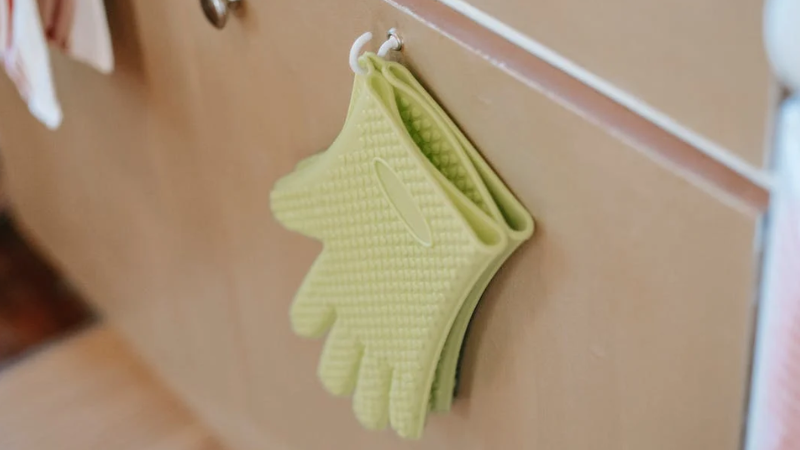
Silicone gloves are versatile gloves suitable for high-heat applications and cleaning. The gloves are durable, easy to wash, and reusable.
In addition, silicone has excellent thermal resistance, chemical resistance, and high tensile strength.
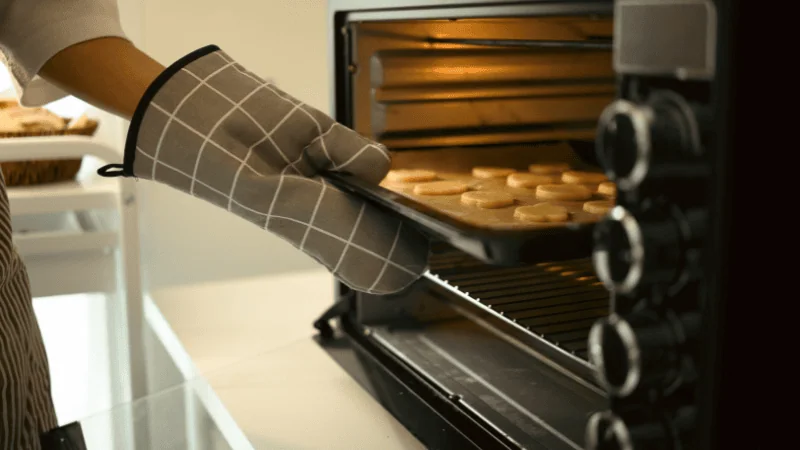
High‑quality silicone rubber gloves typically withstand temperatures from about ‑40 ℃ up to 230–260 ℃. So., heat‑resistant silicone gloves ideal for oven use, BBQ grilling, baking, dishwashing, and handling hot cookware without burning your hands.
The Applications of Silicone Rubber Gloves
Silicone rubber gloves are widely used due to their unique properties. They have applications across various industries and for different purposes. Here are some of the key applications, let’s take a look!
1. Medical Use
Rubber gloves are primarily used in the medical industry to prevent the spread of illnesses and germs.
Generally, doctors, vets, and primary healthcare providers use disposable gloves to avoid cross-contamination between patients and healthcare workers.
2. Cleaning

Cleaning agents generally contain chemicals that are harmful to the skin. But with rubber gloves, you can protect your skin from burning and drying out.
Furthermore, reusable silicone rubber gloves are ideal for everyday dishwashing, cleaning the kitchen and bathroom, washing cars, and even grooming pets.
Because they offer a strong non‑slip grip, protect the skin from detergents, and can be quickly rinsed or put in the dishwasher after use.
3. Salons & Spas
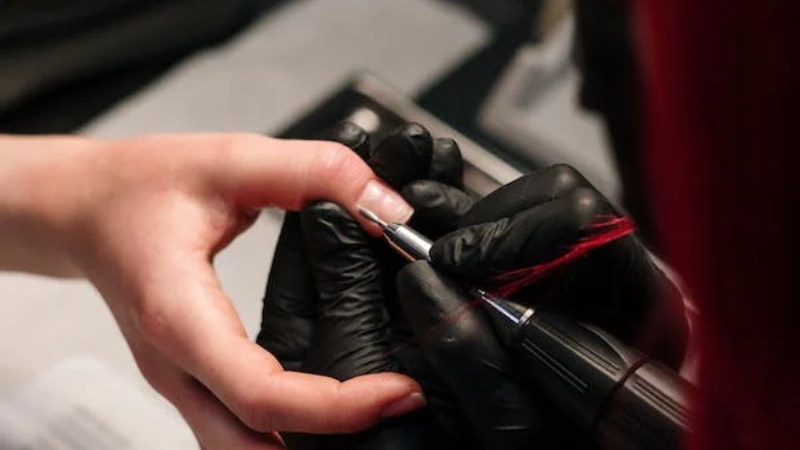
Rubber gloves prevent the transmission of germs. In salons and spas, stylists use rubber gloves to protect their hands when offering facials, manicures, hair coloring, and massages.
4. Automotive Work
Automotive work requires the use of oil and greases. Silicone rubber gloves protect your hands when doing automotive work, keeping your hands clean. And because silicone is stain-resistant, you can easily wash it off after working in the garage.
5. Construction
Cement, sawdust, PVC, and other harmful materials are used in construction work. These substances are toxic and may cause burns and injuries. Silicone rubber gloves are helpful in the construction industry, protecting the worker’s hands.
6. Security & Police Investigations
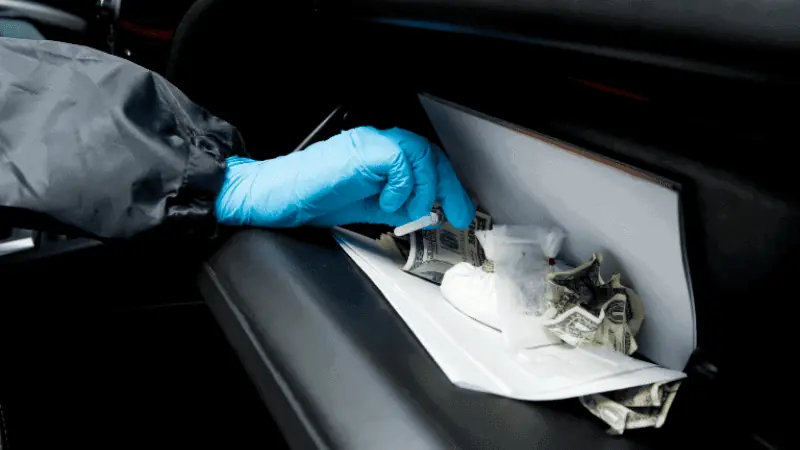
Fingerprints corrupt crime scenes, contaminating the evidence. Police and security personnel use rubber gloves to preserve the investigation’s integrity when inspecting crime scenes.
7. Manufacturing
Consumer goods need to meet safety standards. In manufacturing, factory workers use rubber glov+es when processing and packaging goods. Thus, the products are hygienic and free of germs, making them safe for end-user consumption.
8. Laboratories
Scientists and laboratory technicians handle chemicals that are toxic to the skin. Therefore, rubber gloves are essential PPE (personal protective equipment), keeping laboratory workers safe from exposure.

9. Gardening & Outdoor Work
Soil and debris can enter your fingernails during gardening and outdoor work. However, rubber gloves protect your fingernails, keep your hands dry, and prevent infection from bacteria and microorganisms in the soil.
In addition, you are using silicone rubber gloves when spraying pesticides or pulling weeds is ideal.

10. Tattoos & Art Projects
Tattoo artists protect their hands with rubber gloves before giving you new ink. The gloves protect the tattoo artist and clients from infections, abrasion, and chemicals.
Sculptors, painters, and other artists also wear rubber gloves to prevent skin contamination and make cleaning up after a project easy.
11. Electrical Work
Electricians use gloves to protect themselves from electrical shocks and burns by using insulating gloves. Since silicone is an excellent insulator, gloves from this material are ideal for electrical work.
The Pros and Cons of Using Silicone Gloves
Silicone gloves are excellent for washing and handling hot objects. These gloves are also easy to clean and durable. Other benefits of silicone gloves include their oil-proof, waterproof, and stain resistance.
Therefore, regardless of what you use your gloves for, you can easily wash stains off.
Silicone gloves are also versatile. You can use them for several applications without having allergic reactions. So, silicone gloves may suit you if you are allergic to latex.

Although silicone gloves provide numerous benefits, they come with their downsides as well. One of the downsides of silicone gloves is the cost.
The material is more expensive compared to gloves made from other types of elastomers. However, the price pays off in the long run due to their durability.
In addition, the gloves have poor tactile sensitivity. You may not feel what you are holding, and sometimes objects may fall off while trying to handle them with silicone gloves.
The Different Types of Silicone Rubber Gloves

- Oven Mitts
Many silicone grilling and oven gloves are made from BPA‑free, FDA‑approved and food-grade silicone, comply with the safety standards for repeated food contact, as defined by FDA 21 CFR 177.2600 in the United States which means they are non‑toxic, odorless, and safe for handling hot food directly in the kitchen or at the BBQ.
Due to the material’s heat resistance, you can handle food as hot as 200 degrees Celsius for extended periods without the gloves melting or burning. In addition, the gloves give you a secure grip.
Furthermore, because these gloves have layers that prevent scalding and burning, you can also use them for grilling.
- Cleaning Gloves
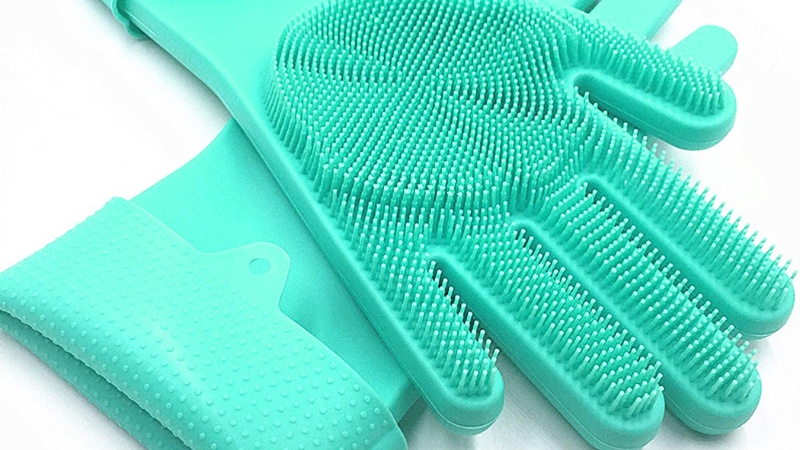
Silicone cleaning gloves have long, dense bristles that make them suitable for cleaning several surfaces. You can use these gloves to wash dishes, cars, and fruits, and groom your pet.
And because they foam easily, you don’t have to use much soap.
- Hair Salon Glove
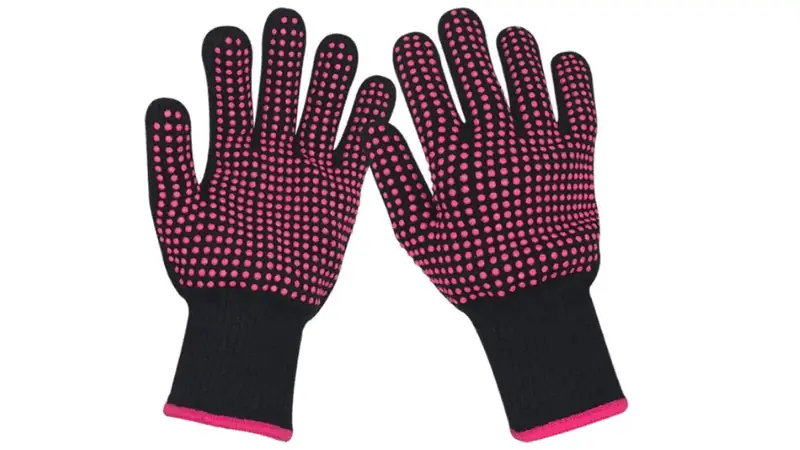
The silicone hair salon glove is suitable for handling heat-styling tools. Due to its heat resistance, the glove protects your hand from burns.

- Laboratory Semi-Glove
The silicone laboratory semi-glove is not a full glove. Instead, it accommodates your fingers just enough to hold hot substances in the laboratory.
- Silicone Gardening Gloves
You can use silicone gardening gloves when weeding your garden and keeping your outdoors clean. These gloves are resistant to wear and tear and protect your arms when working.

- Body Massage Gloves
Silicone massage gloves help to stimulate pressure points in the body for increased blood flow and relaxation. You can also use these gloves when bathing for a gentle massage.
How to Choose the Right Size of Silicone Gloves?
Your gloves should fit snugly. Otherwise, it will be uncomfortable and may fall off, incredibly if loose. You can choose the right size of silicone gloves by measuring your hands.
Use a measuring tape to measure around your dominant hand to the fullest part. Ensure you exclude your thumb.
You should also measure from the tip of your middle finger to the base. The larger measurement is your size glove. So, if the larger measurement is 7 inches, the right size of silicone glove for you is size 7.
Conclusion
Understanding the full spectrum of silicone rubber gloves—from their unique composition and diverse applications to their specific types and sizing—is essential for making an informed and safe choice.
This knowledge empowers you to select gloves that truly match your needs, whether for high-heat cooking, chemical handling, or industrial tasks, ensuring both optimal protection and long-term value.
Hongju — Excellence in Custom Silicone Rubber Products Solutions
Looking to manufacture or source reliable silicone rubber products? Hongju combines 20+ years of expertise, food-grade and medical-grade materials, low MOQs, and fast prototyping to meet your exact requirements.
Contact Hongju today to request samples or a competitive quote. From custom designs to stable mass production, we ensure quality, safety, and efficiency.
FAQs
Q1: Are Rubber Gloves Reusable or Disposable?
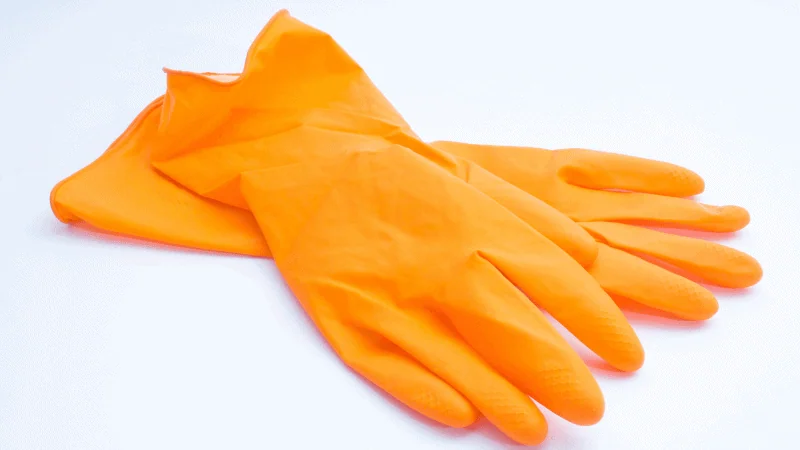
Rubber gloves may be reusable or disposable, depending on the brand and purpose. For instance, gloves used for handling food and in the hospital are single-use and disposable. They are also suitable for cleaning surfaces like tables and chairs.
Q2: How Often Should I Change Gloves?
How often you change gloves depends on the glove type and what you use them for. You don’t have to alter reusable gloves as often as disposable gloves.
Usually, a reusable glove will need a replacement when its color starts fading. Also, if there are holes, tears, or damage to your gloves, you need to change them.

Q3: How Can You Remove Stains from Silicone Gloves?
Silicone is stain-resistant and should not get stained on a normal basis. However, because silicone is non-porous, it can absorb dyes from highly pigmented foods. You can remove stubborn stains from your silicone gloves by soaking them in a 50-50 mixture of warm water and white vinegar.
Q4: What certifications does your factory have?
We are ISO 9001 certified silicone rubber products manufacturer. And we have CE and FDA certificates for our products. We can also apply for you if you have specific certification needs for your market.