Choosing the right elastomer for O-rings and seals is important to ensure their proper functionality. Viton and nitrile are two of the most common options available for this purpose. Each of these elastomers reacts differently to heat, chemicals, and pressure.
Below is a Viton vs. nitrile material comparison to help you decide which one is better for your specific needs.
What Is Nitrile (NBR)?

NBR (nitrile butadiene rubber), or what is commonly known as nitrile, is a synthetic form of rubber. It is used across several industries where excellent resistance to oils, fuels, and chemicals is essential to ensure.
Nitrile is commonly made by copolymerizing butadiene and acrylonitrile. As a result of this copolymerizing, a durable, versatile rubber called nitrile is formed.
Nitrile is one of the most demanding rubbers with several uses. It is common to find automotive industries manufacturing nitrile O-rings and nitrile seals. Some parts of the aircraft fuel systems are also made with this material.
Key Properties of Nitrile Rubber
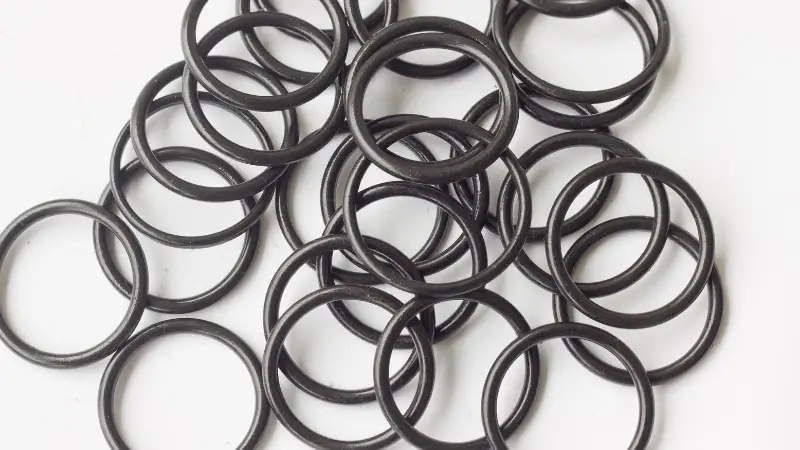
Several nitrile properties make it ideal to manufacture elements with enhanced chemical resistance. Nitrile rubber is highly resistant to oil and fuels, and also shows enhanced chemical resistance. It also depicts some levels of tear resistance.
Nitrile rubber can resist reactions with petroleum-based oils, fuels, and other abrasives. This makes it ideal for the manufacturing of products that are in consistent contact with oils and fuels.
The same resistance makes nitrile a common raw material in harsh industrial environments.
Despite being chemical resistant, nitrile offers extreme flexibility and remains unaffected under wide temperature ranges. This resistance to temperatures allows nitrile to form tight seals and gaskets that don’t lose their elasticity or crack easily.
This resistive flexibility also makes nitrile ideal for applications where consistent movement or pressure exists.
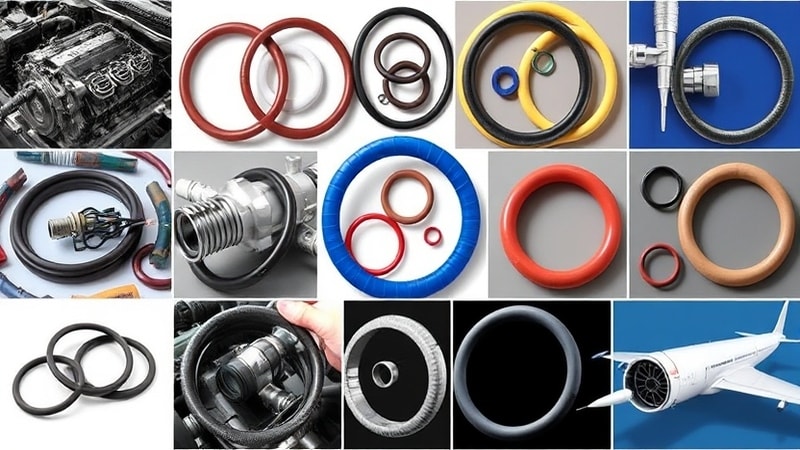
Abrasion resistance is another property of nitrile that adds to its longevity. Items made with nitrile are mostly tough and resistant to friction and mechanical wear. This is another reason why it is an ideal component for harsh environments and is known for its durability.
Due to its flexibility, nitrile is used to manufacture seals, aircraft fuel systems, and pneumatic tools. It is also used in the manufacturing of industrial gaskets, O-rings, oil seals, hoses, and more.
What Is Viton (FKM)?
Viton rubber is also a high-performance synthetic rubber polymer. Also referred to as FKM, Viton is known for its ability to handle extreme temperatures and harsh chemicals. It is also used in industries requiring resistant materials with the ability to withstand tough conditions.
Key Properties of Viton
As already stated, Viton is highly resistant to high temperatures and chemical reactions. This exceptional resistance makes it ideal to be used in applications where rubber has to come in consistent contact with fuels and oils.
Viton is alsovery durable and lasts long even when it consistently faces harsh conditions. Viton parts and components do not wear out or require regular maintenance, which makes them reliable.
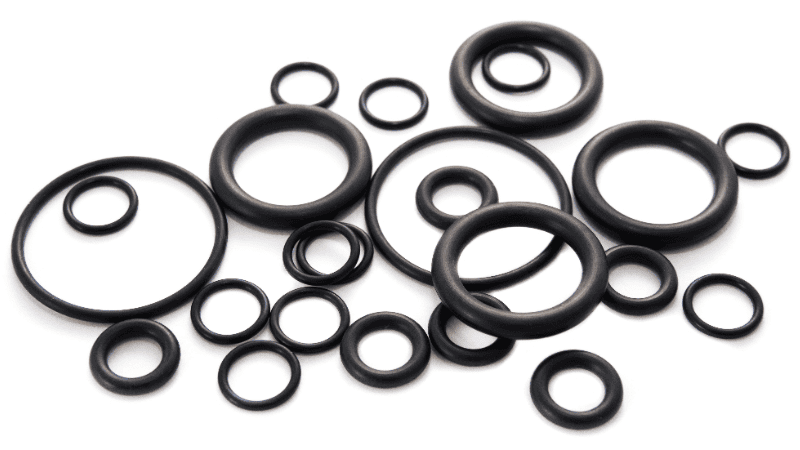
Even under extreme pressure and external forces, Viton components can maintain their shape. This low compression ability makes it ideal to manufacture tight seals that shouldn’t flatten or lose with time.
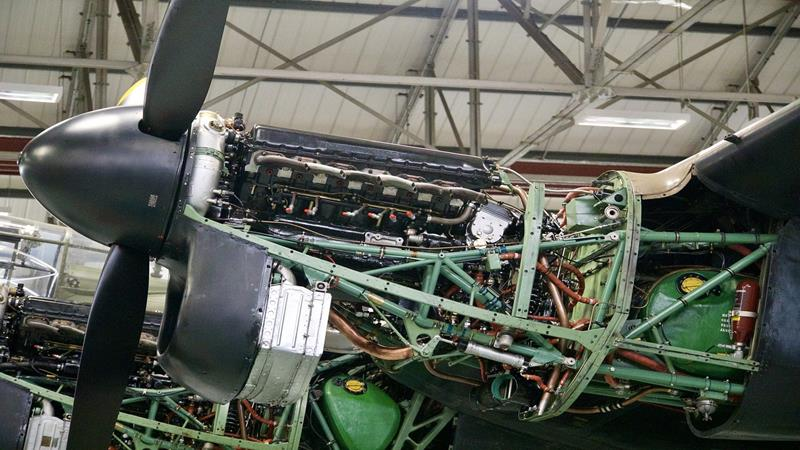
Viton is commonly used in aerospace and chemical processing. It is used in engine seals. industrial high-performance applications, and Viton O-rings. It is also used in demanding environments where fluid resistance is required, and reliability is critical.
Viton vs. Nitrile: Key Differences
Upon being experimentally compared, NBR and FKM elastomers show very different wear rates and property changes at 20 °C and 110 °C. This highlights differences in friction coefficients and material degradation between the two rubbers.
Whenever you have to choose the right rubber elastomer, it is important to make the right choice. Your choice is crucial for applications requiring resistance to heat and mechanical stress.
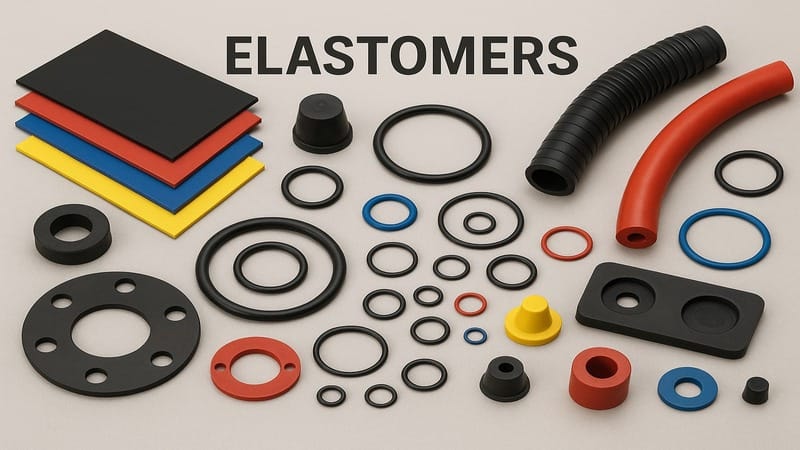
Below are the major differences between nitrile and Viton. Being clear on these differences ensures that you always make the right decisions based on your needs.
Fluid, Heat, And Chemical Resistance
As already stated, both nitrile and Viton are extremely resistant to a number of chemical compounds. However, nitrile is commonly known for its oil resistance and resistance to other fuels and mild chemicals. This makes it ideal for automotive and industrial environments where hydraulic fluids and oils are present.
Viton, on the contrary, is known for its ability to withstand harsh chemical environments. It can withstand high temperatures and harsh solvents. This makes Viton a preferred option for chemical processing industries and aerospace applications.
Temperature Ranges
Both nitrile and Viton offer considerable temperature resistance. Nitrile is suitable to be used in moderate temperatures, typically ranging between -30 to 120 degrees Celsius. On the other hand, FKM or Viton can easily handle temperatures as high as 200 degrees Celsius or more.
Durability and Longevity
Both Viton and nitrile show considerable durability. However, Viton wins with a little margin in terms of longevity. Nitrile, on the other hand, can easily degrade when it is consistently exposed to extreme heat or ozone.
Flexibility and Mechanical Performance
Nitrile is quite elastic at low temperatures, which makes it stretchable and easy to shape. Viton, on the other hand, is strong and stable under stress. It is not very flexible and can retain its form even at high temperatures.
Cost Comparison

Due to its superior heat and chemical resistance, Viton is quite expensive in terms of upfront cost. However, its longevity and high performance make it durable, and this durability reduces its replacement costs.
Nitrile, on the other hand, comes with a comparatively lower upfront price and provides decent performance unless it is exposed to extremely harsh conditions. All in all, you can go for nitrile for applications that feature moderate temperatures and when you need a cost-effective solution for oil and fuel handling.
On the other hand, going for Viton is a good option for applications where high temperatures and aggressive chemicals are common, and you need long-term durability instead of cost-saving.
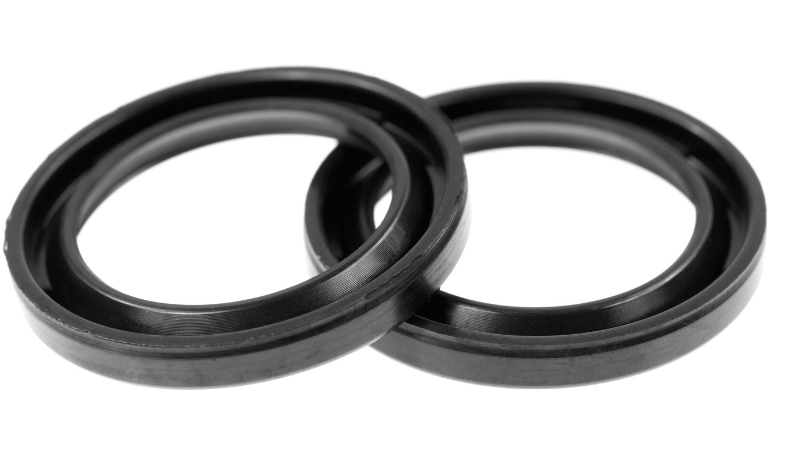
The table below gives a better visual comparison of both Viton and nitrile for your quicker understanding.
| Feature | Nitrile (NBR) | Viton (FKM) |
|---|---|---|
| Chemical Resistance | Handles petroleum-based oils, fuels, and some chemicals well | Excels in resisting harsh chemicals, aggressive solvents, and high-temperature oils |
| Temperature Range | Moderate temperature use (-30°C to 120°C) | High-temperature stability (-20°C to 200°C or more) |
| Ideal Application Examples | Automotive seals, fuel hoses, pneumatic tools | Aerospace seals, high-temperature engine gaskets, chemical processing O-rings |
| Durability & Longevity | Good wear resistance, moderate environmental aging | Excellent wear resistance, highly resistant to ozone, UV, and chemical aging |
| Flexibility & Mechanical Performance | Better elasticity at lower temperatures. Very easy to mold. | Performs well under stress but is less flexible than NBR. Maintains shape in high-heat environments. |
| Cost Comparison | Lower upfront costs. Good VFM for general industrial usage. | Higher upfront cost. Has a longer lifespan that justifies the investment. Ideal choice for demanding applications. |
How to Choose the Right Material for Your O Ring Selection
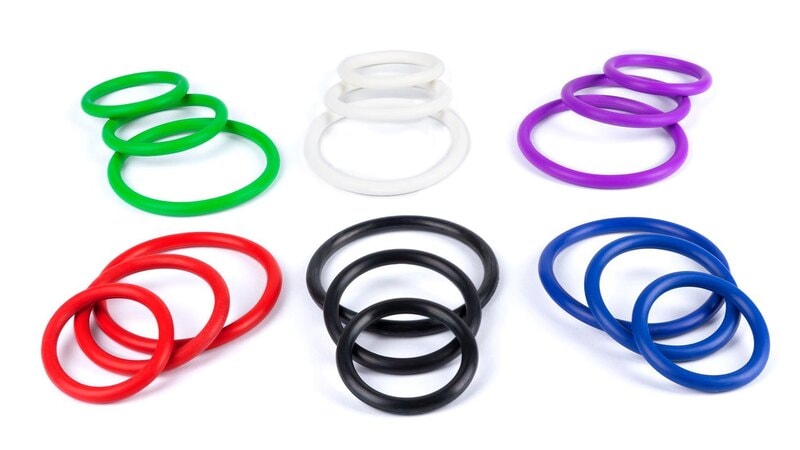
Selecting the right material is the key to ensuring optimal performance and longevity in all your rubber manufacturing projects. It is natural to get confused about when to select nitrile and when to ditch it in favor of Viton.
Simply stated, you can go for nitrile when you need a good solution for basic performance without breaking your bank. Nitrile is a budget-friendly rubber compound for products including automotive gaskets, nitrile O-rings, fuel hoses, and other general industrial seals.
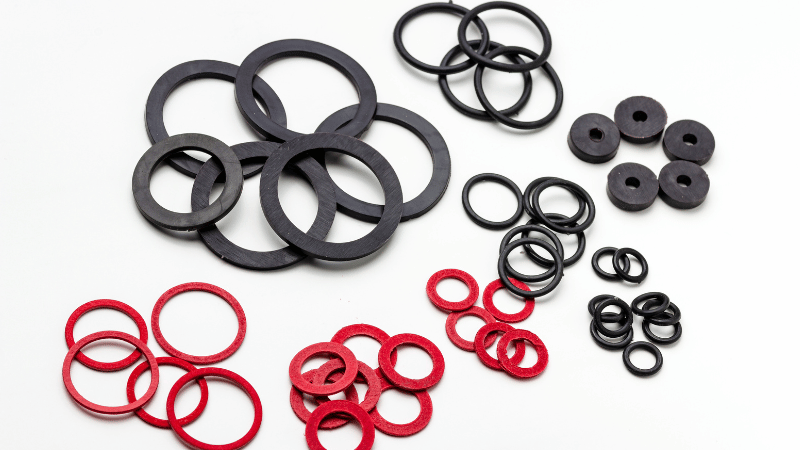
It is also ideal when you need a rubber that performs well at moderate temperatures and resists standard fuels and oils easily.
On the other hand, Viton (FKM) is a more expensive elastomer that is ideal for demanding conditions. If you want your rubber products to withstand extreme temperatures, UV, and ozone, you can go for Viton.
In short, Viton is a high-end option to go for in cases where nitrile fails. It is also perfect for aerospace and high-performance industrial equipment manufacturing.
Conclusion
By now, you must be clear about the differences between Viton vs nitrile. Nitrile is perfect for moderate temperatures and applications involving contact with standard grade oils and fuels.
On the contrary, Viton o-rings and other products are perfect for highly reactive and pressurizing environments. Remember to choose a reliable supplier to choose any of these options based on your needs.
Buy Bulk Rubber Products At Great Rates from Hongju!
With Hongju Silicone, you can ensure smooth operational efficiency of all your rubber-related sealing projects. Whether you want to purchase nitrile in bulk or are looking to source Viton at a great price, we can help.
Reach out to us today! Benefit from our rapid prototyping abilities, expert craftsmanship, and low MOQ.
FAQs
1. Is Viton worth the extra cost?
Certainly, it is. Viton offers unbeatable resistance to heat and chemicals. It also outperforms other rubbers in terms of durability. All of this justifies the higher upfront price.
2. Can Nitrile replace Viton in high-heat applications?
Not always. Nitrile performs better at moderately high temperatures only. In highly heated applications, only Viton stands a chance.
3. Which lasts longer: Viton or Nitrile?
Viton lasts longer compared to nitrile under similar conditions. Viton can better resist ozone, UV rays, and heat, and this makes it age slower.
4. Is Viton better than NBR?
It really depends on the context in which we want to use these elastomers.
Viton is better when the application involves extreme heat and needs something chemically resistant. NBR is better when you want a cost-effective solution for moderate environmental conditions.